Capital Improvement Project
E2CCB Capital Improvement Project 2026
Project Scope
|
System Type
|
Investment
|
Primary Work Included
|
|---|---|---|
|
Building Shell
|
$22.0 Million
|
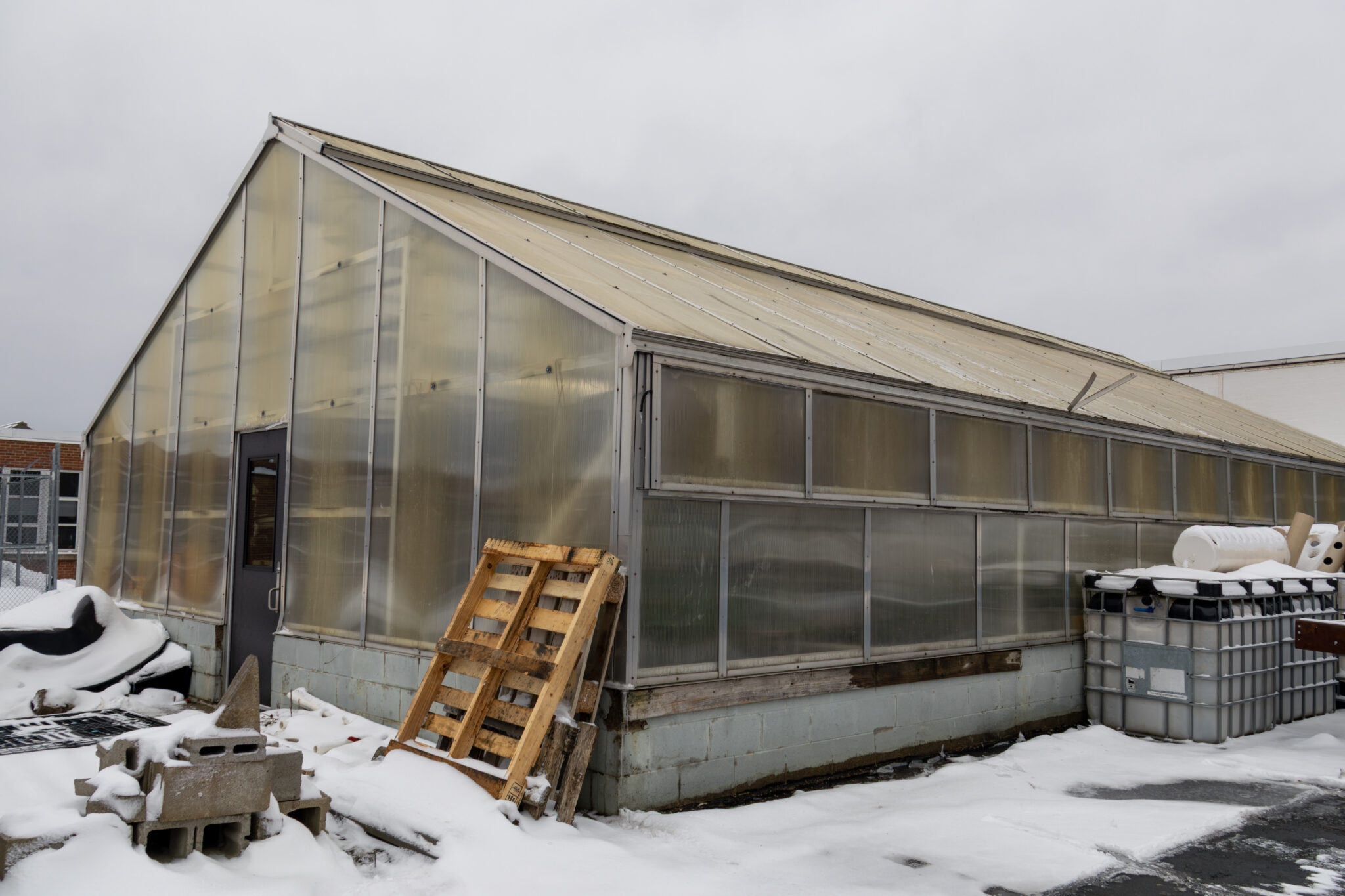
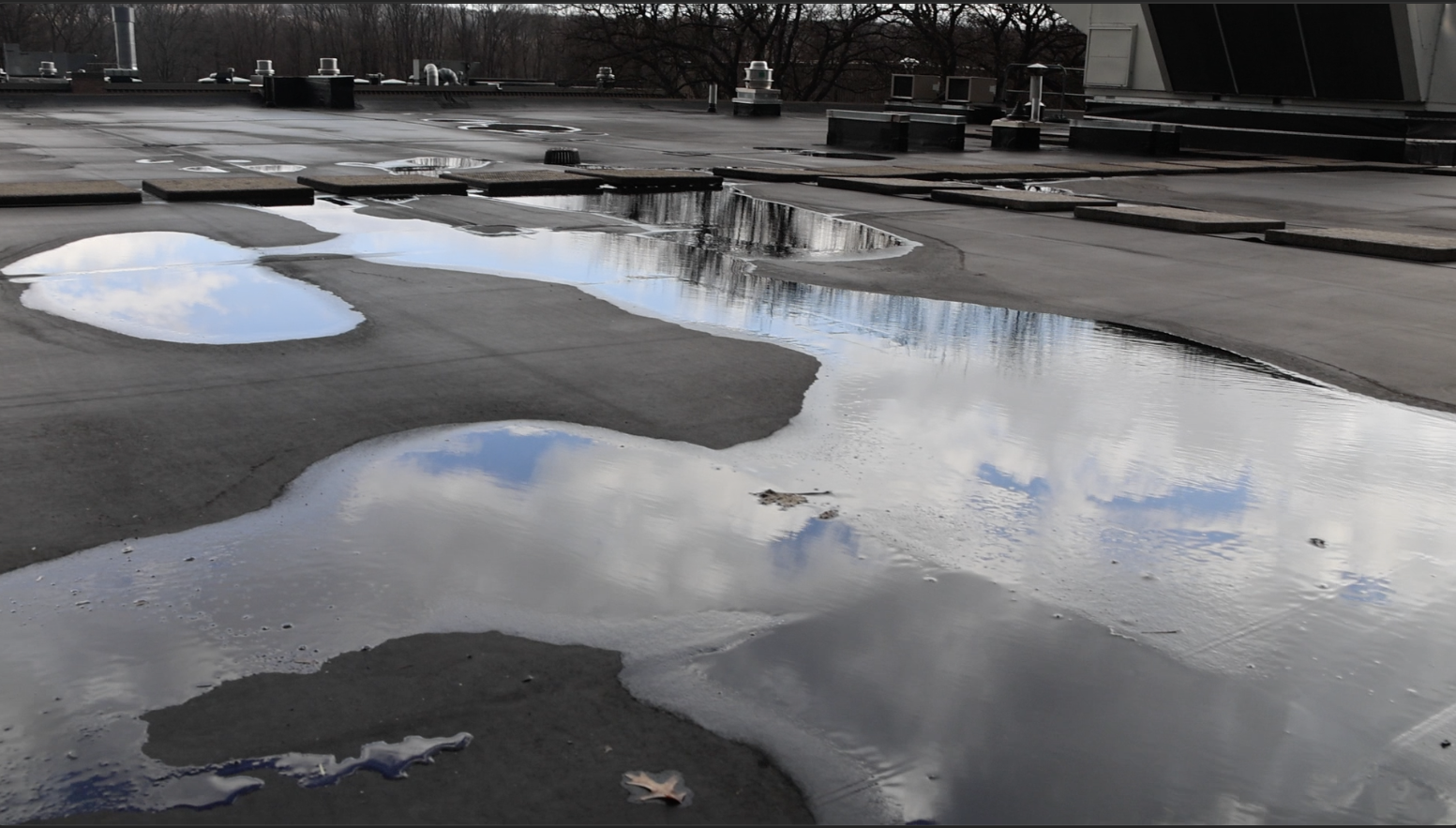
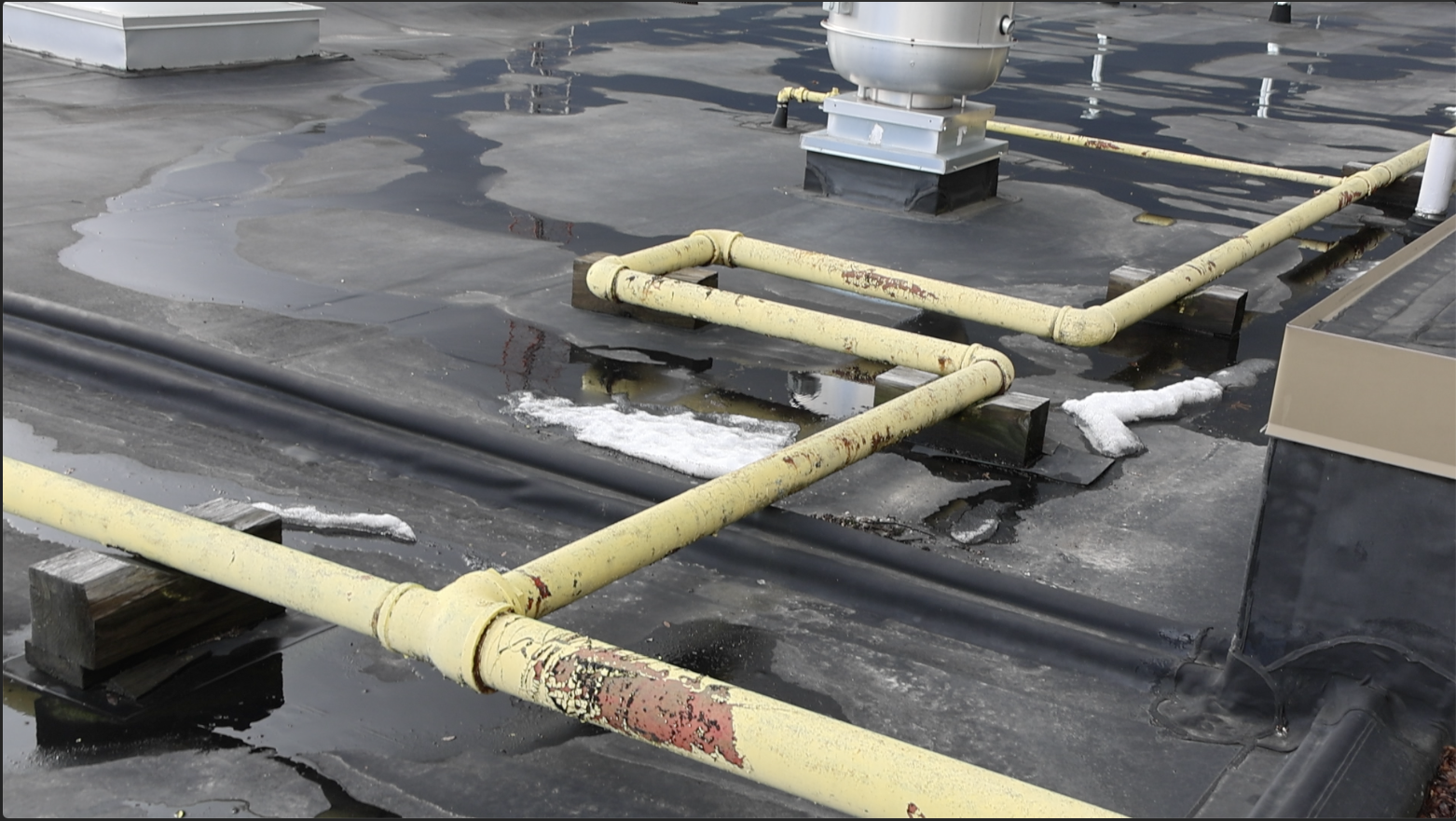
Roof replacements at 12 buildings (out-of-warranty/deteriorated); exterior door upgrades.
|
|
Mechanical & Infrastructure
|
$12.0 Million
|
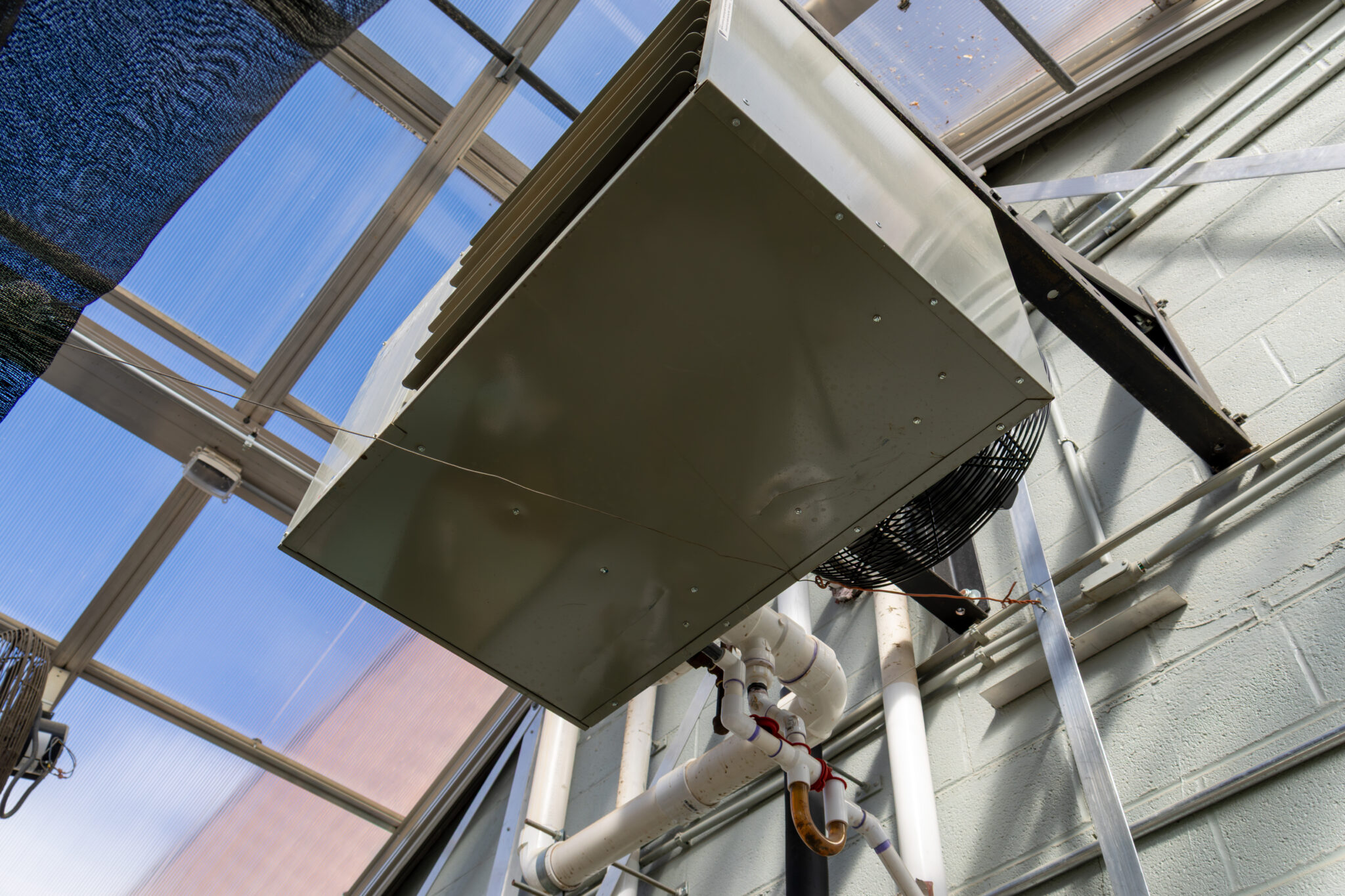
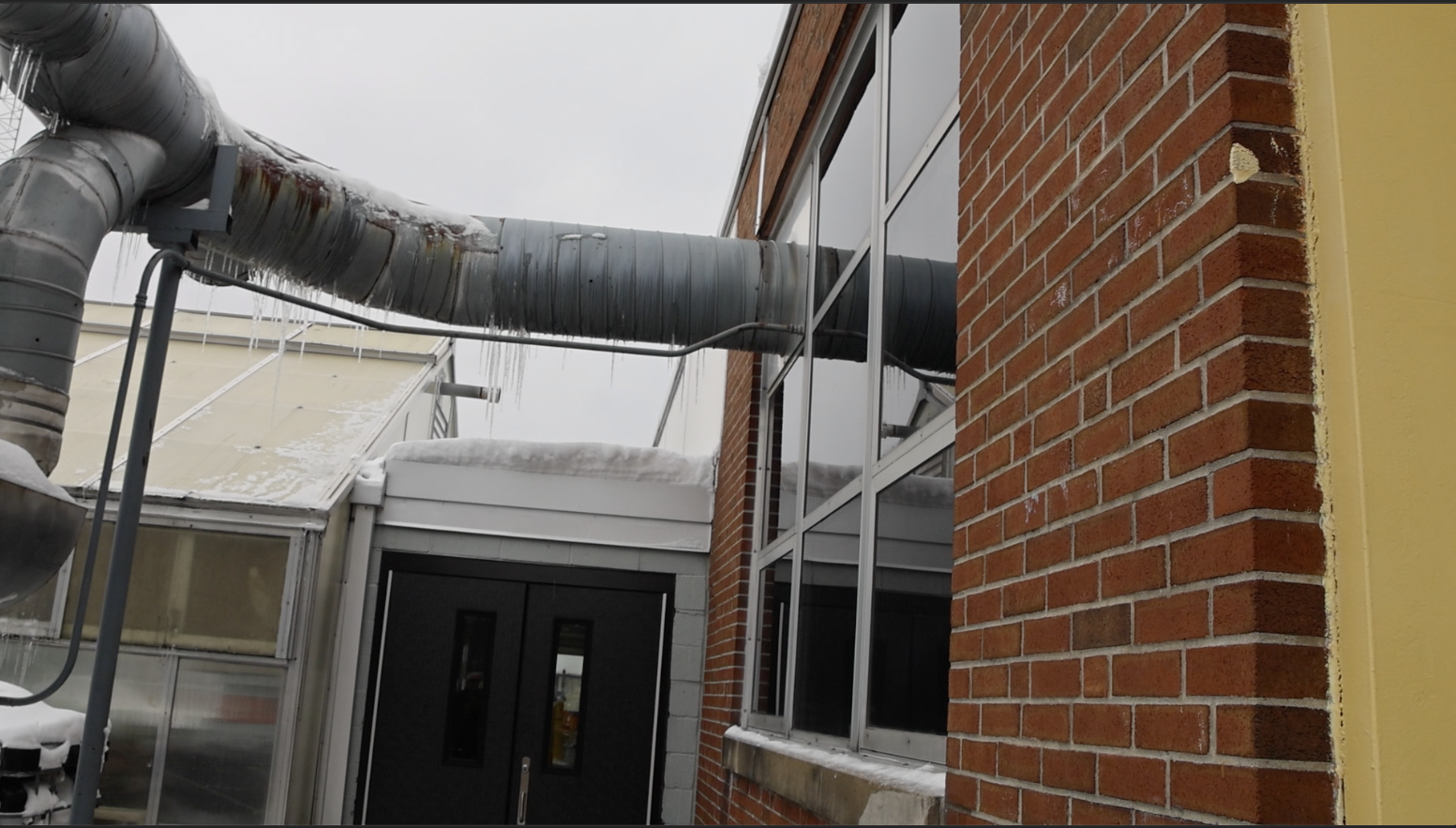
Replacement of outdated boilers and HVAC; mandated ventilation upgrades for air quality.
|
|
Safety, Site & Tech
|
$15.0 Million
|
Restoration of parking lots and sidewalks; replacement of Fire Alarms, PA, and Phone systems.
|
|
Plumbing
|
$0.5 Million
|
High-priority fixture replacements and critical supply line updates.
|
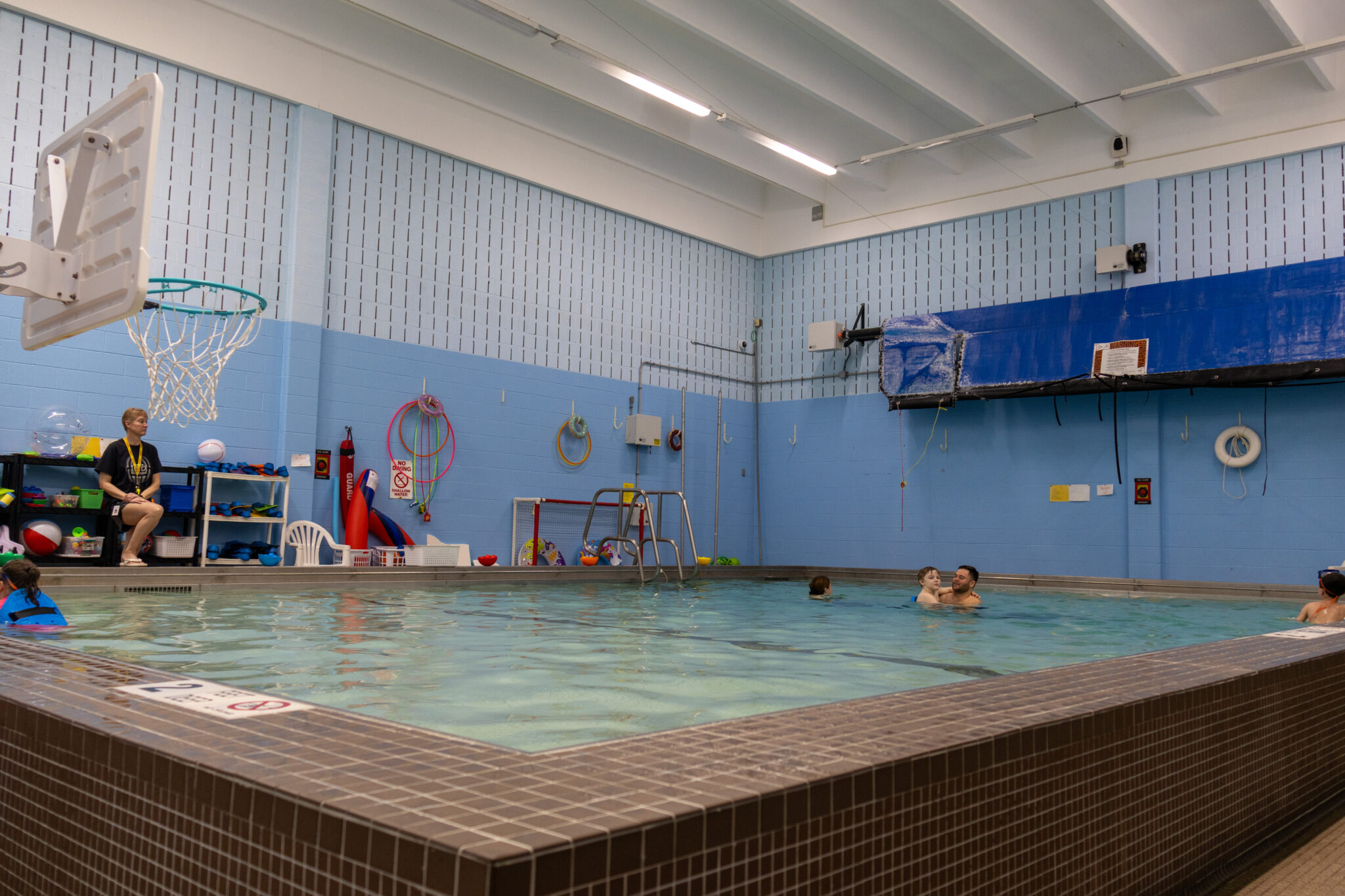
- Hewes Educational Center: Installation of a secure entrance; comprehensive pool renovations including pool infill and therapy pool upgrades.
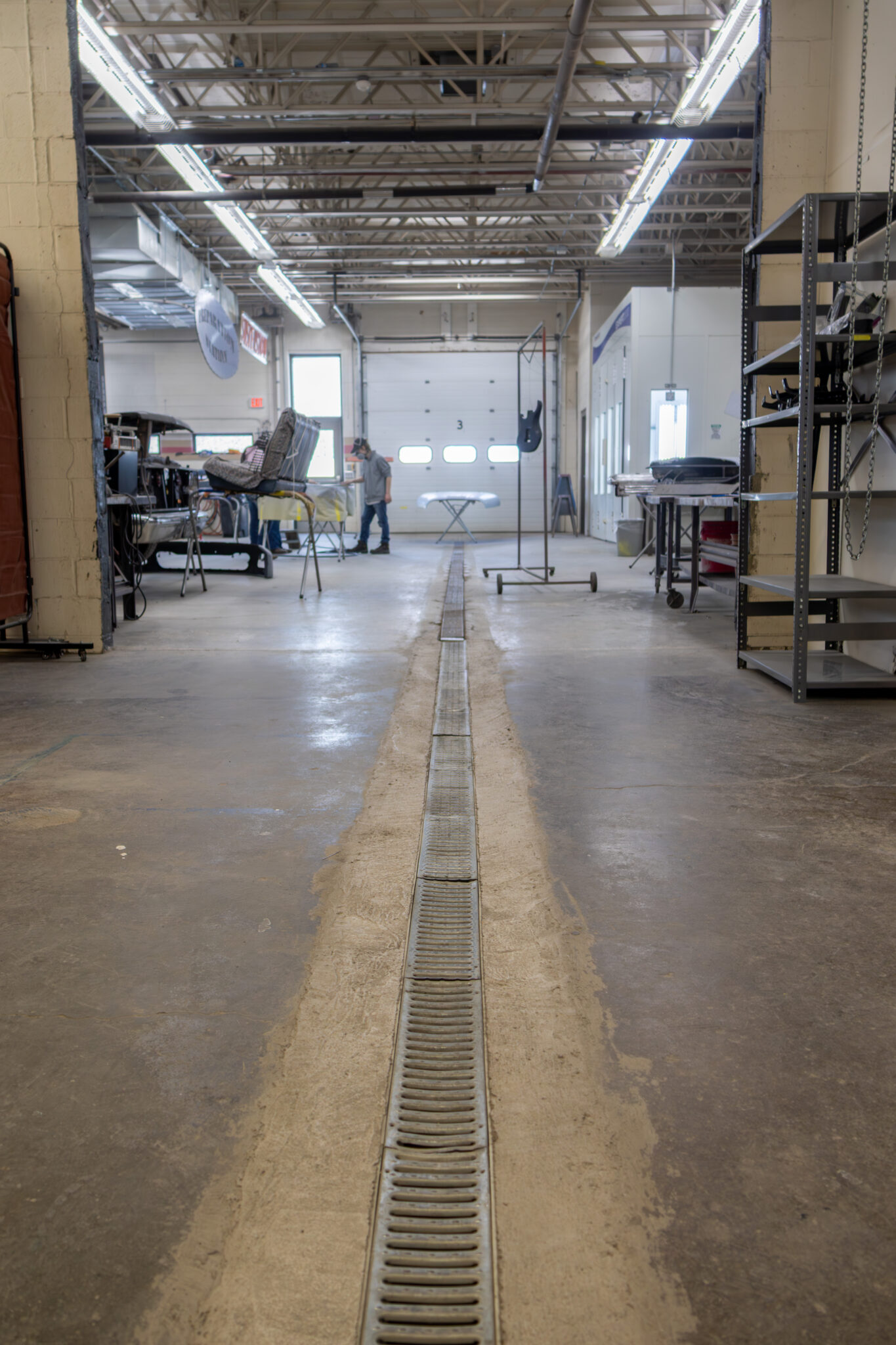
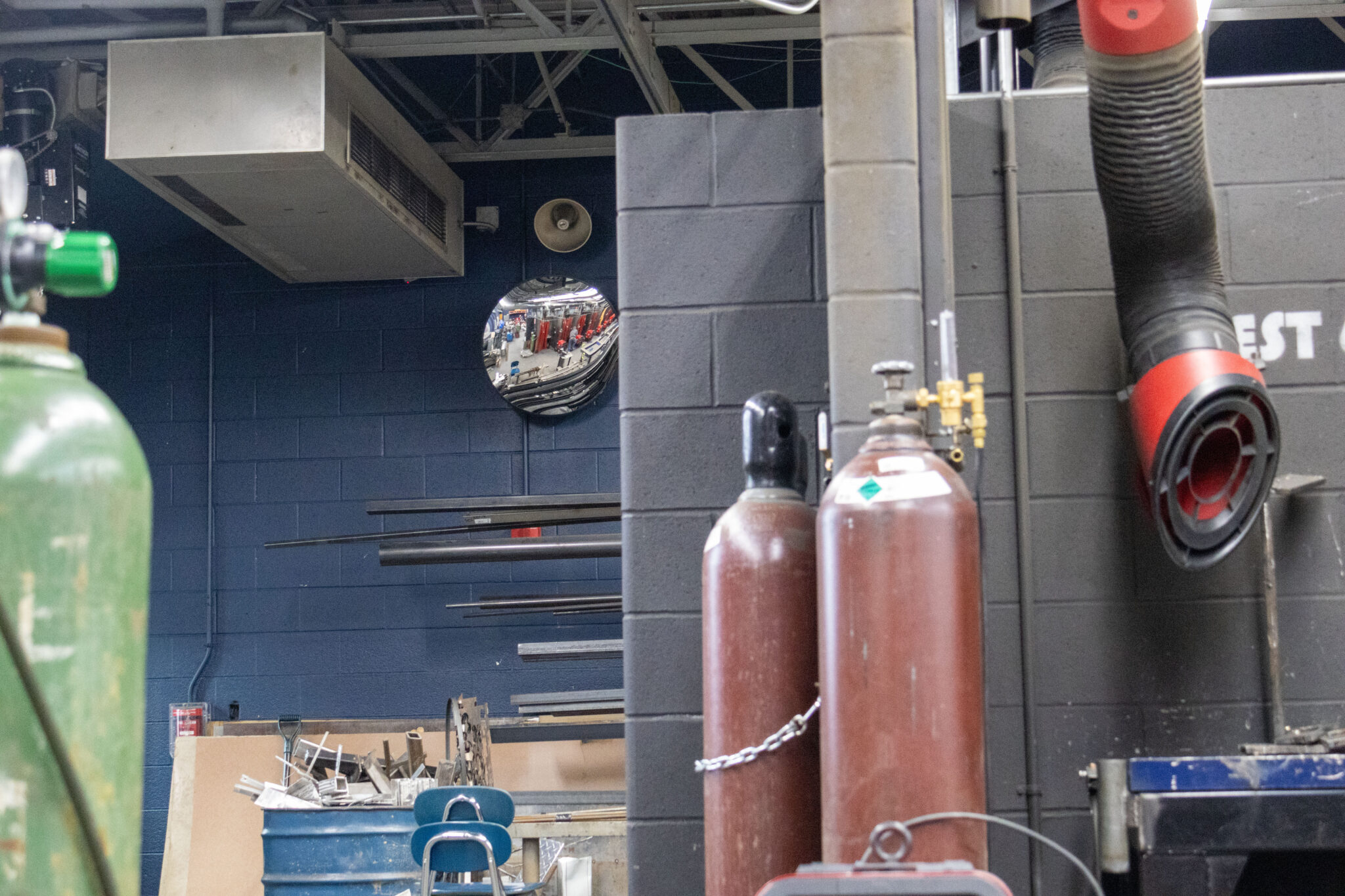
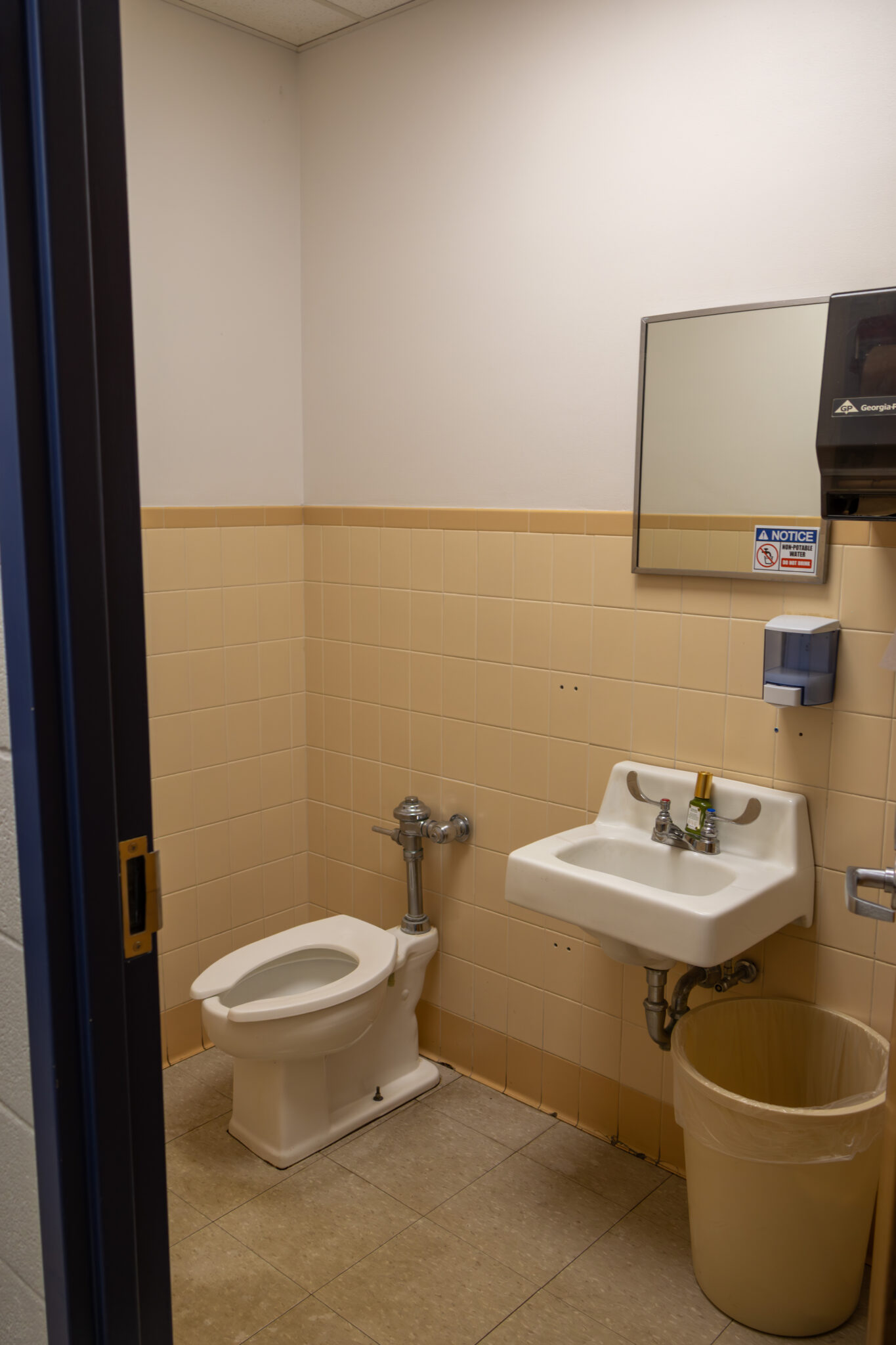
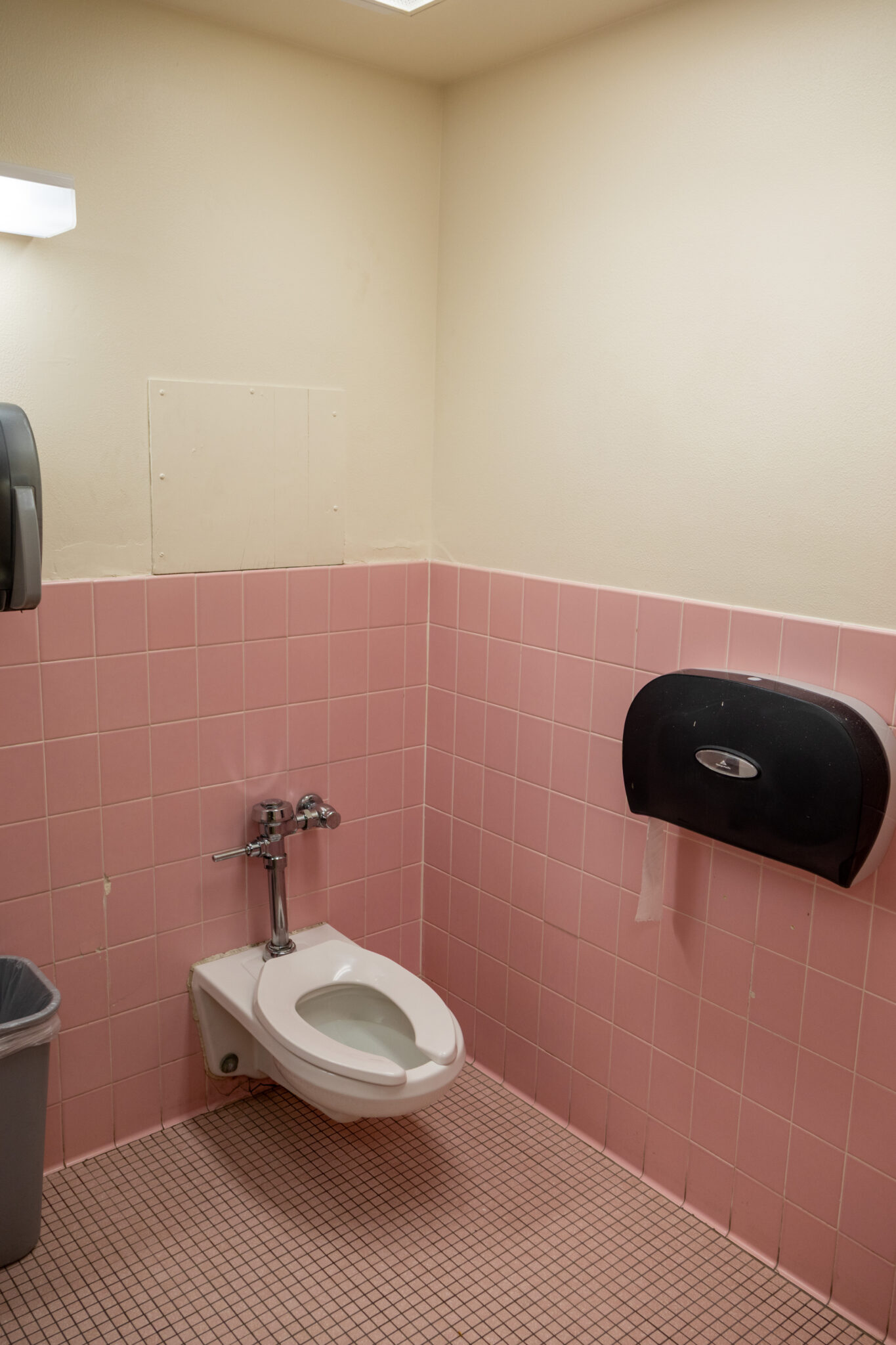
- Ormsby Educational Center: Window and door replacements; building repointing; welding shop upgrades; toilet room and flooring renovations.
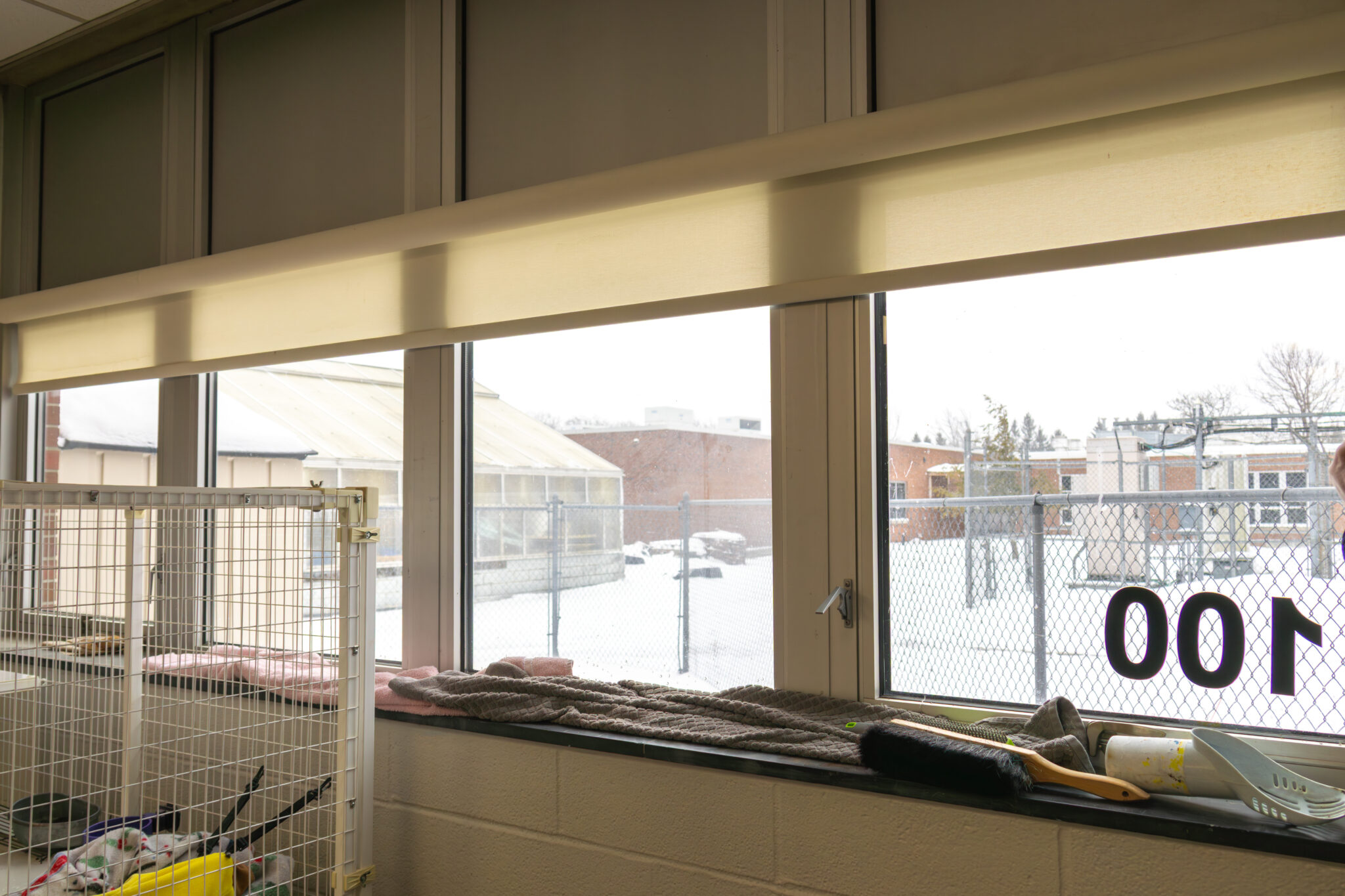
- Carrier Educational Center: Small Animal Science program renovations; essential sewer line improvements.
- LoGuidice Educational Center: Critical building envelope repointing; full resurfacing of the LoGuidice A building roof; replacement of aging mechanical equipment.
Financial Planning
Implementation Roadmap
- Governance Window (April 16, 2026 – July 1, 2026): All 27 component district boards must adopt the IMA and associated bond resolutions. Unanimous support is required to move forward.
- First Payments Due (July 2027): The first of five annual component payments are due to E2CCB.
- Design & Regulatory Review (2027): Project design finalized and submitted to NYSED for technical review and approval.
- Construction Phase (2028 – 2032): Staggered physical construction begins across the four campuses following regulatory approval.
- Project Conclusion (2032): Targeted completion of all site work, infrastructure, and District-Wide IT upgrades.

Find Your District’s Brochure
Bemus Point Central School District
Brocton Central School District
Cassadaga Valley Central School District
Chautauqua Lake Central School District
Clymer Central School District
Dunkirk City School District
East Aurora Union Free School District
Eden Central School District
Falconer Central School District
Forestville Central School District
Fredonia Central School District
Frewsburg Central School District
Gowanda Central School District
Holland Central School District
Iroquois Central School District
Jamestown City School District
Lake Shore Central School District
North Collins Central School District
Orchard Park Central School District
Panama Central School District
Pine Valley Central School District
Ripley Central School District
Sherman Central School District
Silver Creek Central School District
Southwestern Central School District
Springville-Griffith Institute CSD
Westfield Academy & Central School District

Frequently Asked Questions
Find answers to common questions about the E2CCB 2026 Capital Improvement Project, including project scope, cost, timeline, state aid, district impact, and next steps. This section is designed to help component districts and community members better understand the need for the project and how it supports safe, reliable learning environments for students.
What is a BOCES-wide capital project, and how does it differ from a local district project?
The distinction lies in the governance and debt-authorization model. Local projects are authorized via public voter referendum. However, because a BOCES cannot carry debt independently, this project relies on an Inter-Municipal Agreement (IMA). The project is authorized through the collective, unanimous resolution of the boards of education from all 27 component districts.
Why is this project being proposed now?
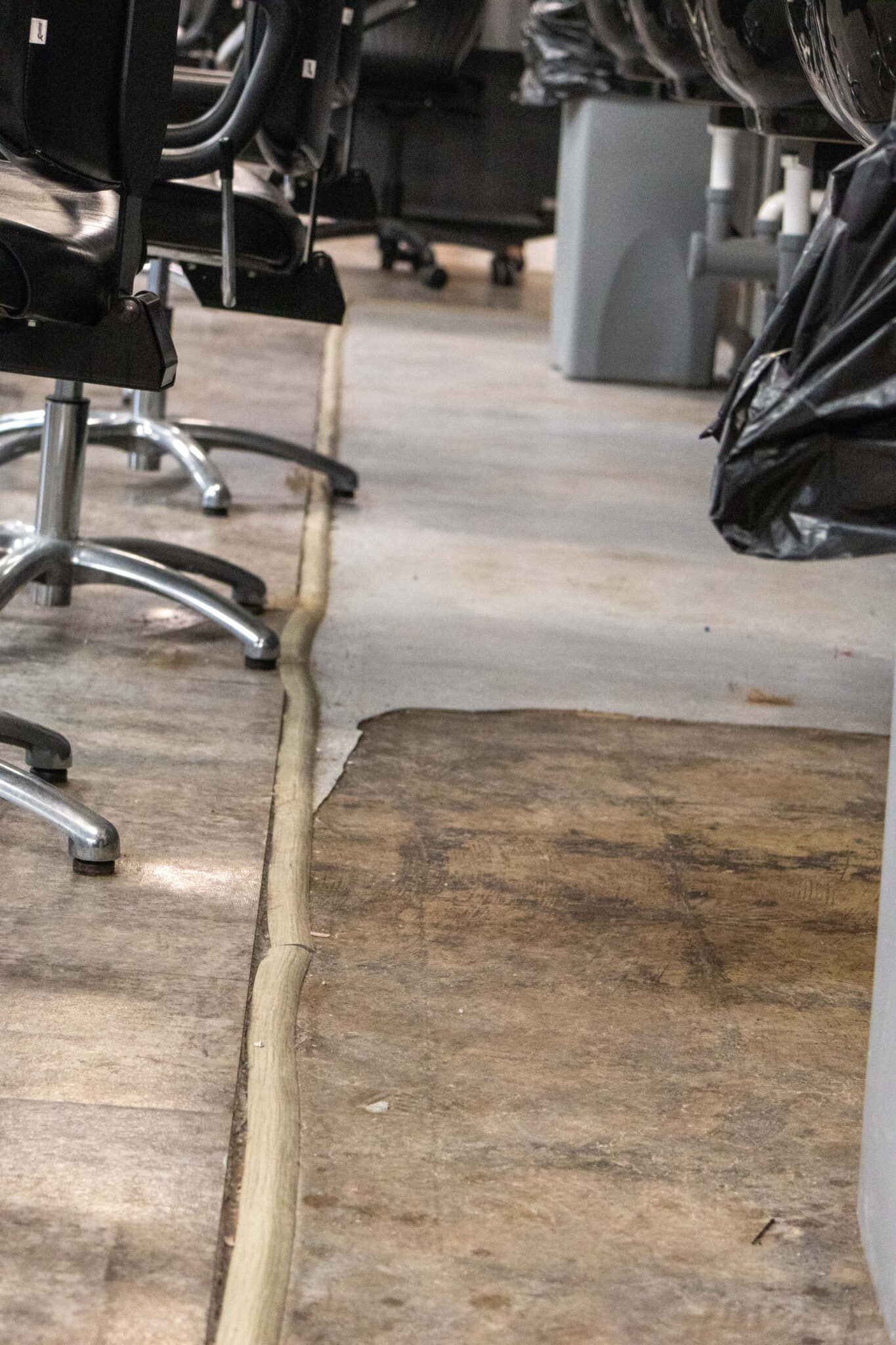
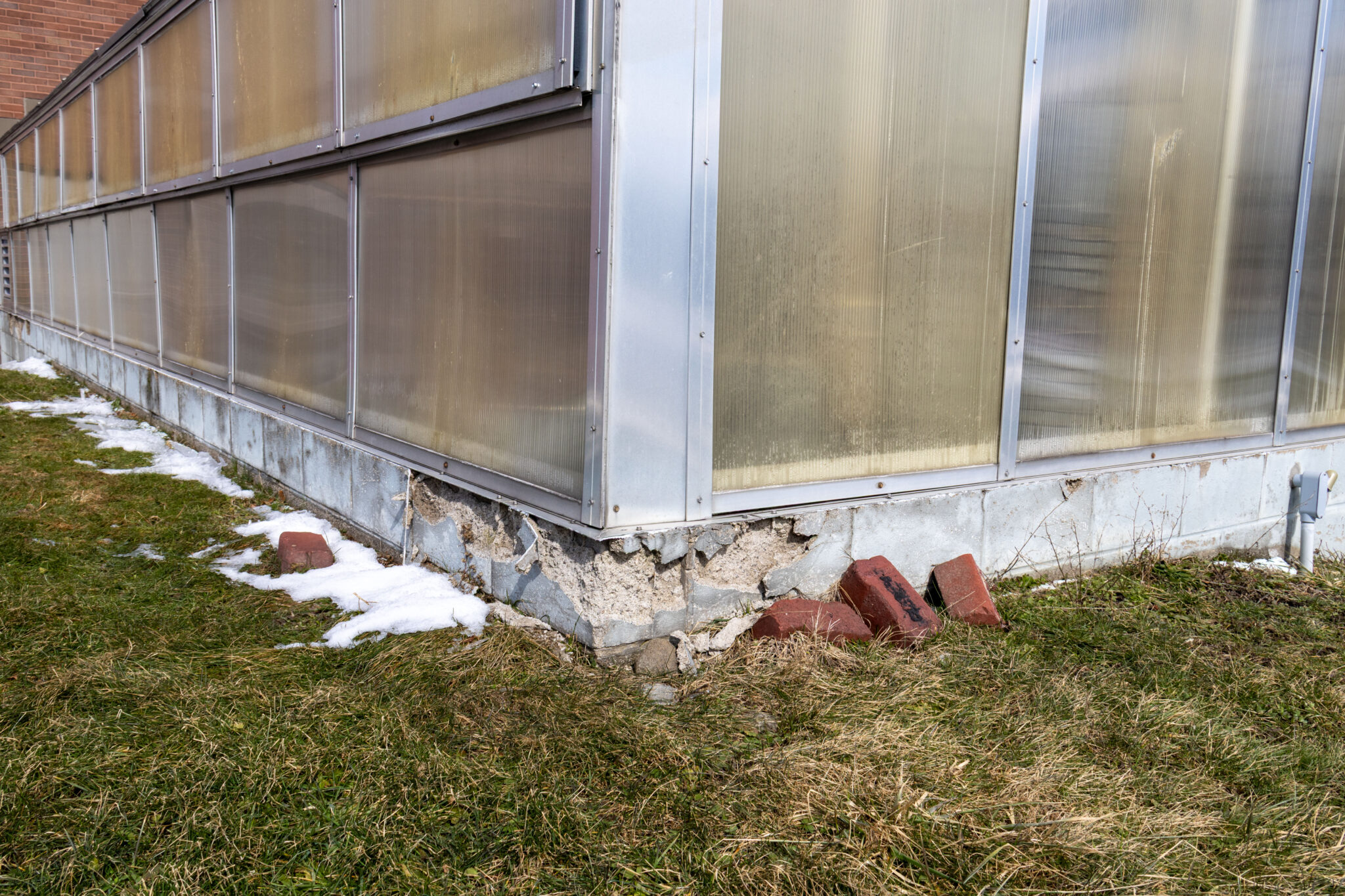
The proposal addresses a critical backlog of deferred maintenance. Our data indicates that only two large-scale capital projects have been executed in the last 20 years. This historical under-investment has resulted in a critical accumulation of infrastructure risks. A comprehensive Building Condition Survey (BCS) — the regulatory driver for this proposal — identified $142 million in total needs across 16 buildings and 4 campuses. Delaying action now increases the risk of system failures that we cannot legally address as “emergencies.”
How is the total cost of the project determined for each district?
Costs are distributed via the 2025-26 Resident Weighted Average Daily Attendance (RWADA) methodology. A district’s “Gross Share” is a percentage of the total project cost based on its student population relative to the total BOCES region.
Is this project aidable?
Yes. Because the $49.5M scope fits within the Maximum Cost Allowance (MCA), it is 100% aidable. BOCES facilities aid is received the same year the payment is made.
What are the payment options for component districts?
Districts have three strategic pathways to choose how they’d like to manage this investment:
Option 1: Cash Payment. Direct payment based on the cash flow schedule, which avoids all interest costs.
Option 2: Five-Year BAN Payoff. Short-term borrowing via Bond Anticipatory Notes (BANs) to provide short-term budget flexibility.
Option 3: Long-Term Financing. Long-term debt service intended to spread the cost over several years to manage long-term budget impact.
What is the anticipated local share?
Local share is determined by the RWADA Aid Ratio.
Gross Share: The total dollar amount assigned to a district.
Local Share: The net cost after the RWADA Aid Ratio is applied.
What specific actions must a component school Board take to move this forward?
To authorize the project, local Boards must execute the following checklist:
- Review and Approval of SEQRA (State Environmental Quality Review Act) documentation.
- Formal Resolution to Adopt the IMA (Inter-Municipal Agreement) followed by a Bond Resolution.
What is the deadline for Board action?
There is a critical governance window for these approvals. All component Boards of Education must take formal action to adopt the IMA between April 16, 2026, and July 1, 2026.
What specific facilities improvements are included in the 2026 project?
The $49.5M scope focuses on critical infrastructure:
- Building Shell ($22M): Includes roof replacements at 12 buildings where systems are currently out-of-warranty and showing clear signs of deterioration.
- Mechanical & Infrastructure ($12M): Replacement of outdated boilers and HVAC units that have become difficult to service. This includes mandated ventilation upgrades in specific high-use areas.
- Safety/Site ($6M): Critical restoration of parking lots, pavement, and sidewalks to maintain safe egress and access.
- Plumbing ($500k): High-priority fixture and supply updates.
When will construction actually begin?
Following the IMA adoption in 2026, the project enters the Design and NYSED (New York State Education Department) Review phases throughout 2027. Actual physical construction will begin following these regulatory approvals.
When is the project expected to conclude?
This is a long-term implementation window extending through 2032. Work will be staggered across the four campuses — Hewes, Ormsby, Carrier, and LoGuidice—and will include District Wide IT (DWIT) upgrades.
What was left out of this project?
The prioritization process was highly disciplined, deferring $91 million in identified needs to protect the regional budget:
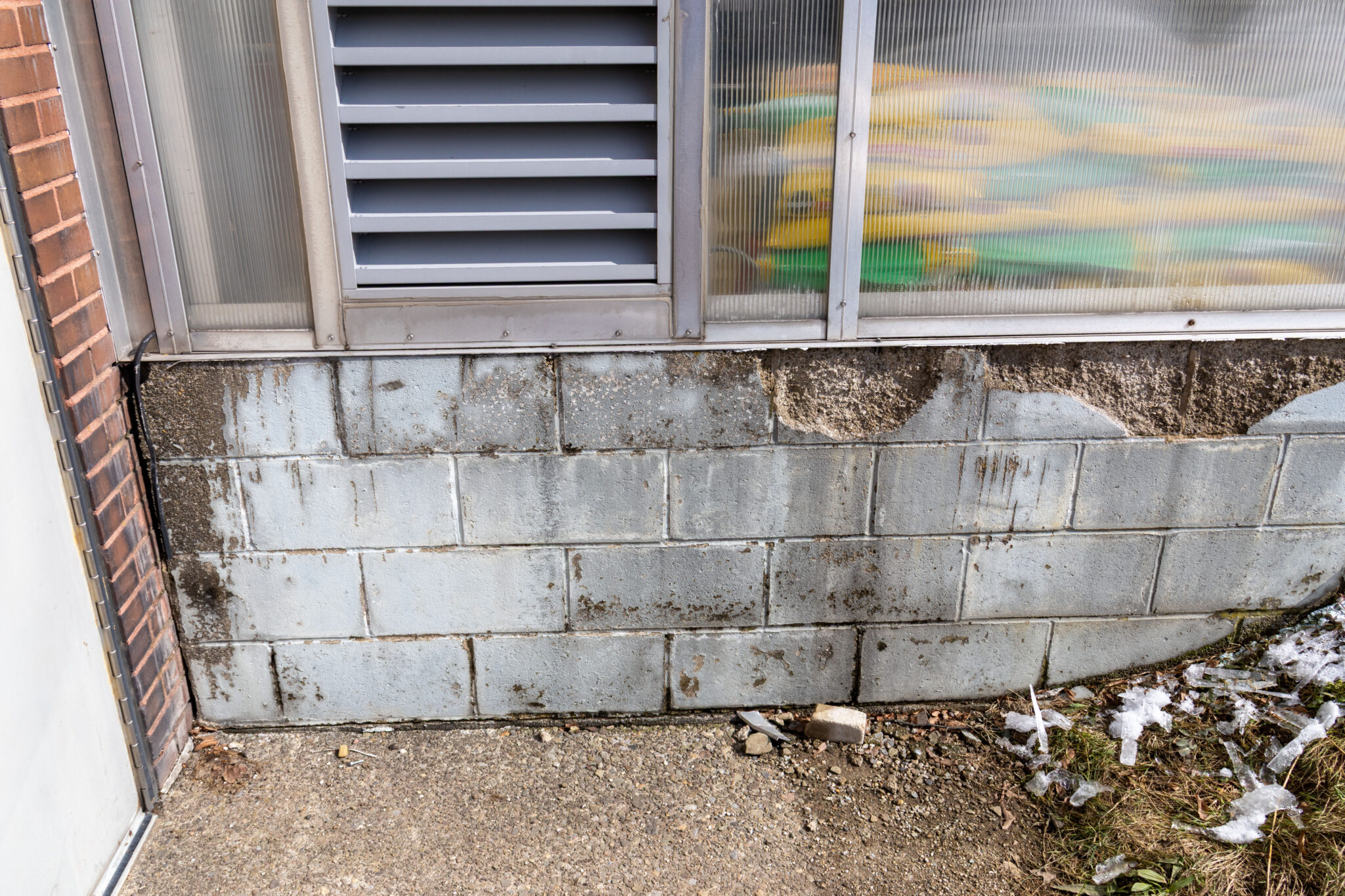
- $64M in “SHOULD” Items: This includes $20M for windows, masonry, and foundations; $5.5M for secondary mechanical/plumbing; $3.5M for sidewalks; $6M for lockers/doors/stairs; and $33M for additional program space renovations.
- $27M in Maintenance Items: Routine electrical, IT, plumbing, and interior items that will be addressed through the annual general fund rather than capital financing.