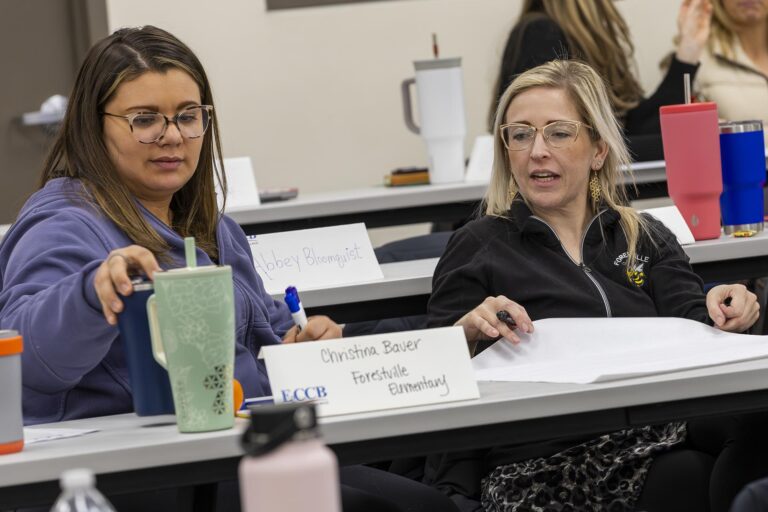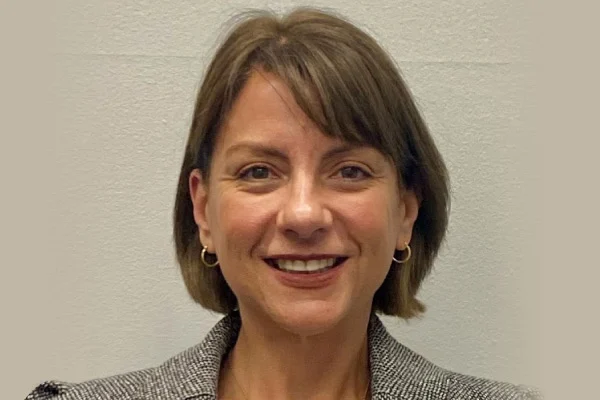
The International Ombuds Association (IOA) K–12 Ombuds Workgroup convened regionally via Zoom on Thursday, Jan. 15, 2026, in a session facilitated by Monique Bookstein, Ombuds, to discuss how K–12 Ombuds services are evolving nationwide and what that growth signals for public education in 2026. 
Across the United States, K–12 Ombuds programs continue to expand as school systems respond to rising conflict, increasing policy complexity, and challenges to community trust. As of 2025, every U.S. state and territory lists an education ombuds function, and more than 50 district, regional, and statewide K–12 Ombuds programs are operating nationally, according to the IOA K–12 Regional Work Group and federal education directories. The workgroup noted that established programs have reported increased case volume in areas such as special education, family navigation, immigration, and school climate—a sign that families and educators are increasingly seeking confidential, informal options to address concerns before they escalate.
Discussion also emphasized the growing role Ombuds services play during leadership transitions, investigations, and post-crisis recovery. In these moments, Ombuds support can provide a neutral, confidential space for communication, clarify options, and strengthen accountability without immediately shifting concerns into formal processes.
Erie 2-Chautauqua-Cattaraugus BOCES Ombuds Services aligns with these national and regional trends by supporting students, families, and staff through confidential consultations, collaborative problem-solving, and systems feedback designed to strengthen communication and reduce escalation. Grounded in humanization and People-First practice, E2CCB’s Ombuds Services focuses on early engagement — helping individuals be heard, identify constructive pathways forward, and support restoration rather than reaction.
As 2026 progresses, the workgroup’s takeaway was clear: Ombuds services are increasingly being viewed not as compliance roles, but as capacity builders that strengthen trust through consistent presence. Regional models — such as E2CCB — expand access beyond a single district, helping educational communities address concerns with care, fairness, and transparency while building healthier systems over time.