
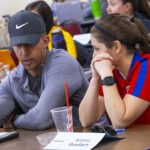
Physical education and health educators recently came together to explore creative approaches to character development and prepare for upcoming changes to state standards. The discussion was part of E2CCB’s Physical Education and Health Forum, organized by the Coordinated School Health team.
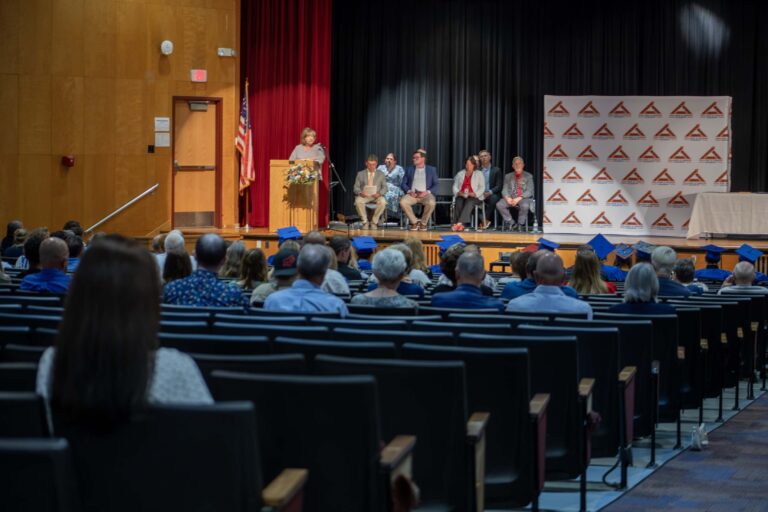
The workshop drew professionals representing various component school districts across the region, including Jamestown Public Schools and the Chautauqua Lake Central School District. Throughout the day, attendees participated in interactive movement activities, shared expertise, and examined how to better support student development.
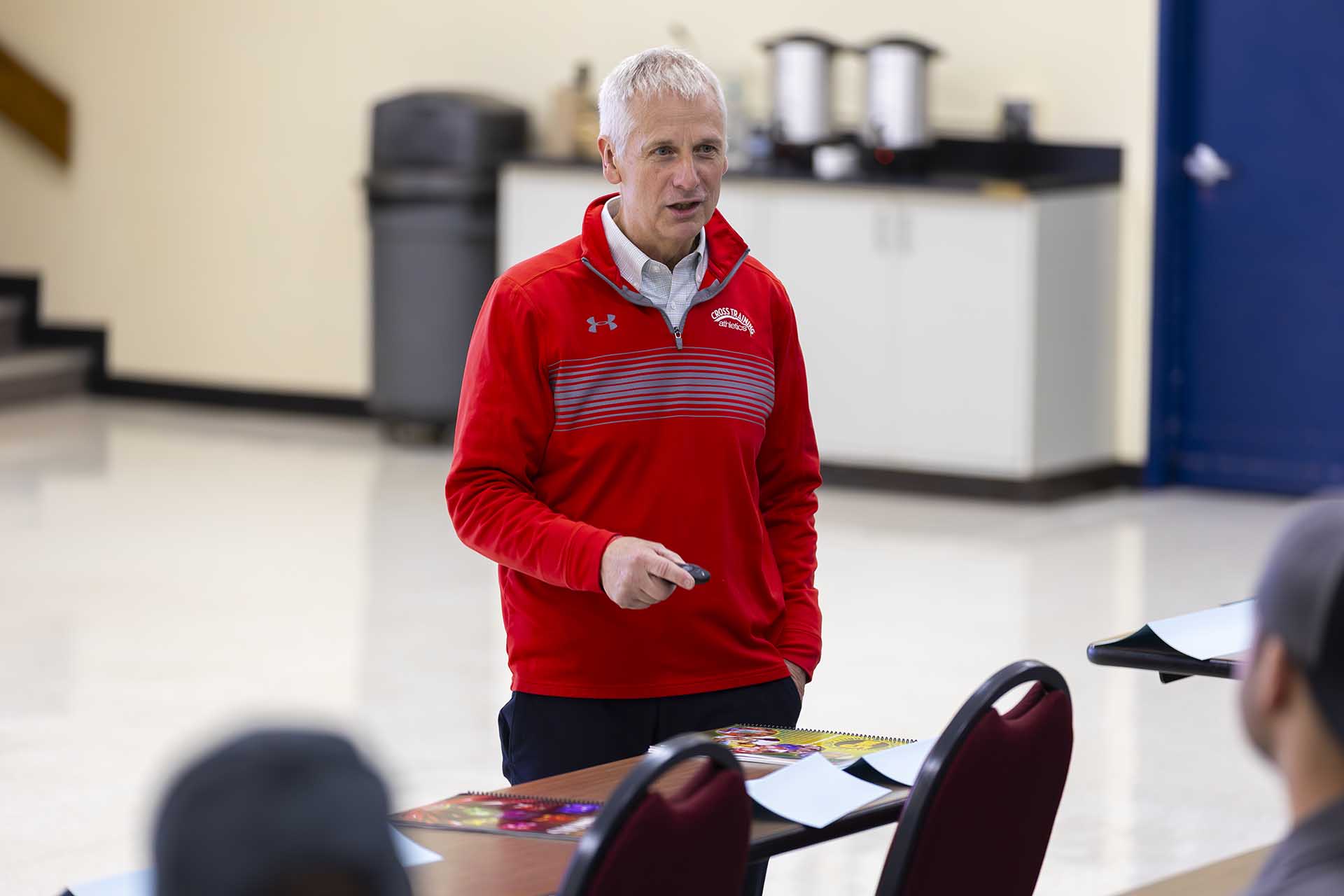
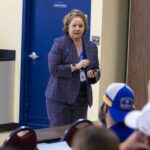
The first session of the professional development opportunity was led by coach Mike Masters, founder of Cross Training Athletics (CTA), who focused on developing a character culture and courageous leadership from the inside out. Masters explained his organization’s mission to encourage, equip, engage, and empower to serve coaches and student-athletes. Masters guided participants through various team-building exercises that can be brought to their schools, including an active rock-paper-scissors tournament where losing players were tasked with enthusiastically high-fiving and cheering on their opponents.
Masters highlighted the character traits that he believes should be incorporated into every class, including commitment, communication, loyalty, and sacrifice. “They don’t care how much you know until they know how much you care,” Masters told the group, emphasizing that discipline must always come from a place of genuine care, not punishment. He added that love is a choice and should serve as the centerpiece of everything done to care for students.
Jason Mank, E2CCB Comprehensive Health Coordinator, highlighted how Masters’ session allowed the teachers to learn from each other. “How do they get 50 kids to team up, work together on a common goal, be kind to each other, problem-solve and communicate?” Mank asked. “Bringing in Mike shined a greater light on that purpose.” Mank also stressed the importance of understanding the mission of the work for PE and health teachers. “It’s about healthy kids and carrying that health just beyond the classroom and the gym into the school community and into their lives as a whole,” Mank said. “Getting kids to work together, to think about these exercises at a larger level, is what we want. We’re in the business of human development.”
Alycia Bongiovanni, E2CCB Coordinated School Health Specialist, reflected on the impact and energy generated by the session. “I think it really brought back the why in what our PE-health teachers do, their purpose, and it really brought a lot of energy,” Bongiovanni said. She noted that the training successfully built capacity among the attendees through practical, motion-based instruction. “Mike Masters brought incredible energy and heart to the day as he guided participants through engaging team-building activities and meaningful reflection centered on courageous leadership. His message inspired attendees to strengthen connections, lead with purpose, and continue fostering positive school communities.”
The second half of the forum transitioned into an interactive discussion regarding New York State’s upcoming Portrait of a Graduate standards, which was led by Dr. Melissa Rivers, Director of Instructional Support Services. The session challenged educators to shift away from traditional physical education and move toward a robust, metric-driven model. Teachers discussed breaking standards down into clear student competencies, including application of skill, strategy, rules, expectations, and personal and social responsibility.
A major emphasis of the second session was the value of data collection and peer assessment, where students track each other’s workout progress and journal their results. Participants brainstormed cooperative activities, such as small-sided three-on-three games to increase active engagement or working in pairs to pitch a camping tent without speaking. Dr. Rivers urged educators to showcase their successes and stop being “our own best kept secret,” pointing out that milestones represent instructional victories.
Mank emphasized that these collaborative competencies are naturally embedded within physical education. “Students have to be critical thinkers,” Mank said. “They have to be good communicators. They need to have social and emotional skills. So much of that is embedded in sport and in physical education. When you want to find ways to get groups in your classroom to gel and work together, go to a PE teacher.” On the long-term benefits of teaching students to track metrics and support one another, Mank added, “It’s building that motivation, the space, the capacity, and the skills to live healthier lives.”
Feedback from the participating educators was positive, with many noting the immediate benefit to both their instructional methods and their understanding of students’ emotional needs:
- “Coach Masters’ was great! Got me excited and made me think about how I talk to and encourage my students.”
- “Mike Masters’ information was refreshing and was a great reminder of how we can go about our everyday teaching lives and what can really help and work best with kids.”
- “Mike Masters was very easy to listen to and learn from. He is very inspirational and moving.”
- “Refocusing on not just the physical part of P.E. but realizing we can do so much more with the emotional side of students as well.”
The workshop aligns with E2CCB’s Whole School Character Education Co-Ser 590.040. This service includes CTA, which offers a school-based nine-week character education and mentoring program specifically designed for student-athletes. CTA’s character education program fully integrates with the Whole Child model, combining education and health to enhance the cognitive, physical, social, and emotional development of students. Through athletics, coaches assist youth in developing vital physical, social, emotional, and cognitive skills, with CTA supporting the process by targeting specific character qualities throughout the season. For more information about this program for your school district, please reach out to Jason Mank via email or by calling 716-672-4371 ext. 2061.